
.svg)

The Youth Mental Health Corps is a mental health program for youth by youth.
Heading 1
Through trusted, in-person support, the YMHC helps young people navigate stressors caused by social media use, digital overload, and emerging technologies that increasingly shape how young people learn, connect, and view themselves.





Why Peer Support Matters
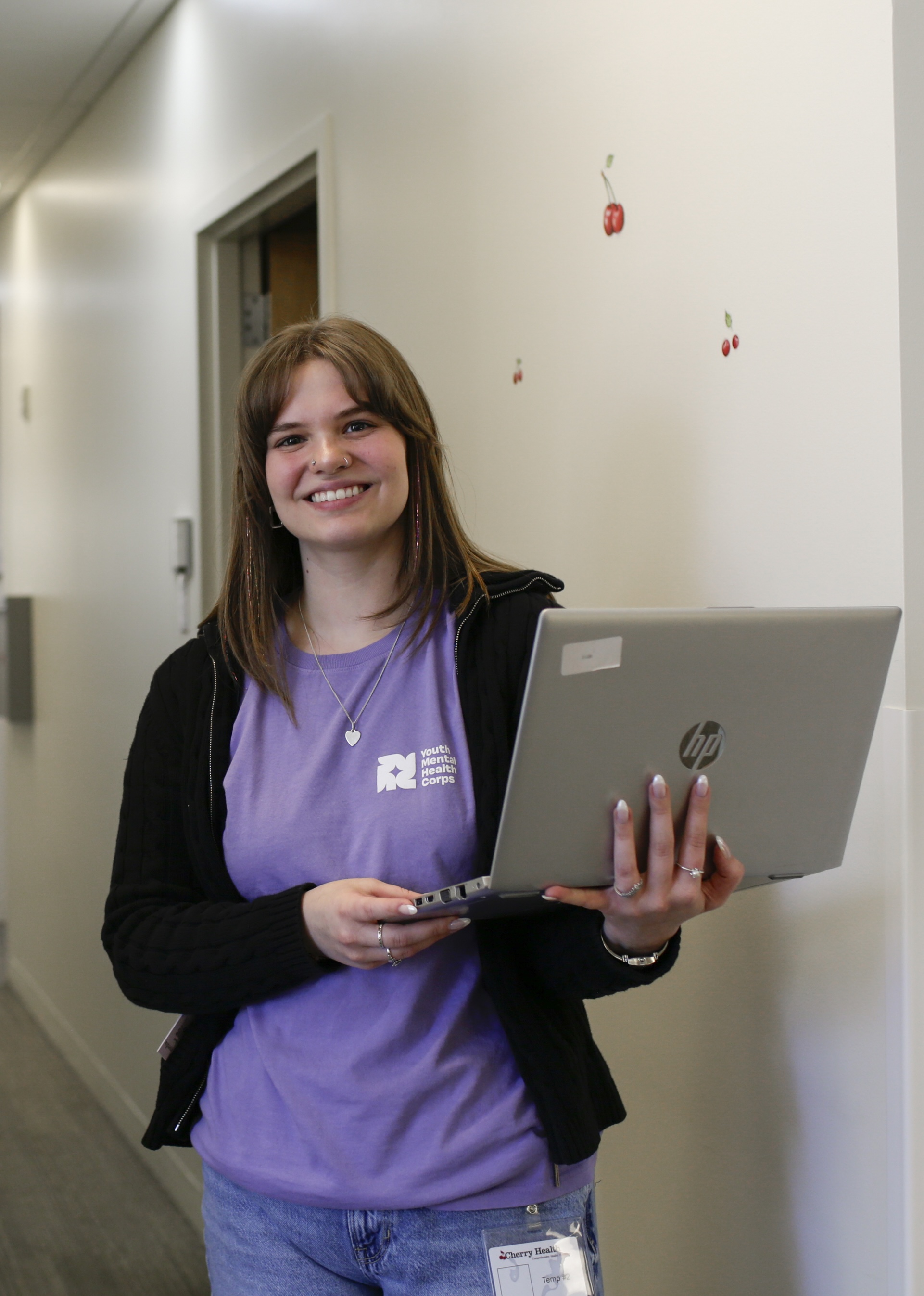
Across the country, too many young people are struggling without the support they need. YMHC is designed to change that—by building a new, community-based workforce focused on prevention, early intervention, and peer support.
Through a structured, service-based model, YMHC members are placed in local settings—like schools, nonprofits, and community programs—where they help increase access to care and connection.
YMHC is not just responding to today’s needs—it’s helping build long-term solutions.
Where We Are Making a Difference
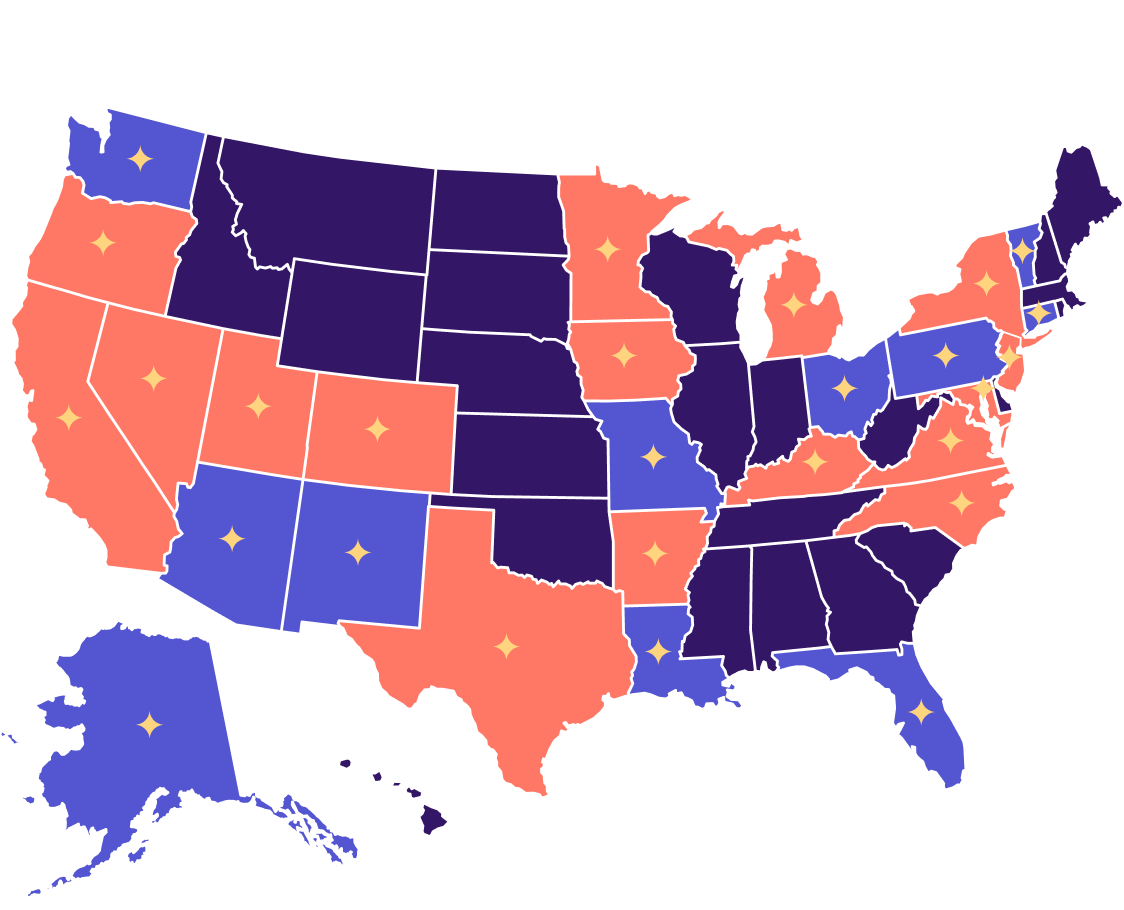
The Youth Mental Health Corps is currently active in 16 states and is expanding by partnering with local organizations to tailor programs to community needs.
The Impact You’ll Be Part Of
In schools and communities where YMHC members have served, we are seeing a shift: less stigma, more openness, and growing trust. It’s the kind of change that happens when someone like you is present, approachable, and trained to help.
These early results show that YMHC isn’t just about short-term support—it’s about changing how mental health is understood and supported in entire communities.
As a YMHC member , your work contributes directly to that shift—helping build environments where young people feel seen, supported, and empowered to take care of their mental health.
80%
of YMHC alumni have stayed in the mental health field post-service, while 91% say the YMHC furthered their professional goals
92%
of year 1 alumni employed or enrolled in higher education 6 months post-service
44,000+
community members reached and over 17,000 young people served through direct service, helping meet a massive, previously unmet demand
91%
of alumni say YMHC furthered their professional goals
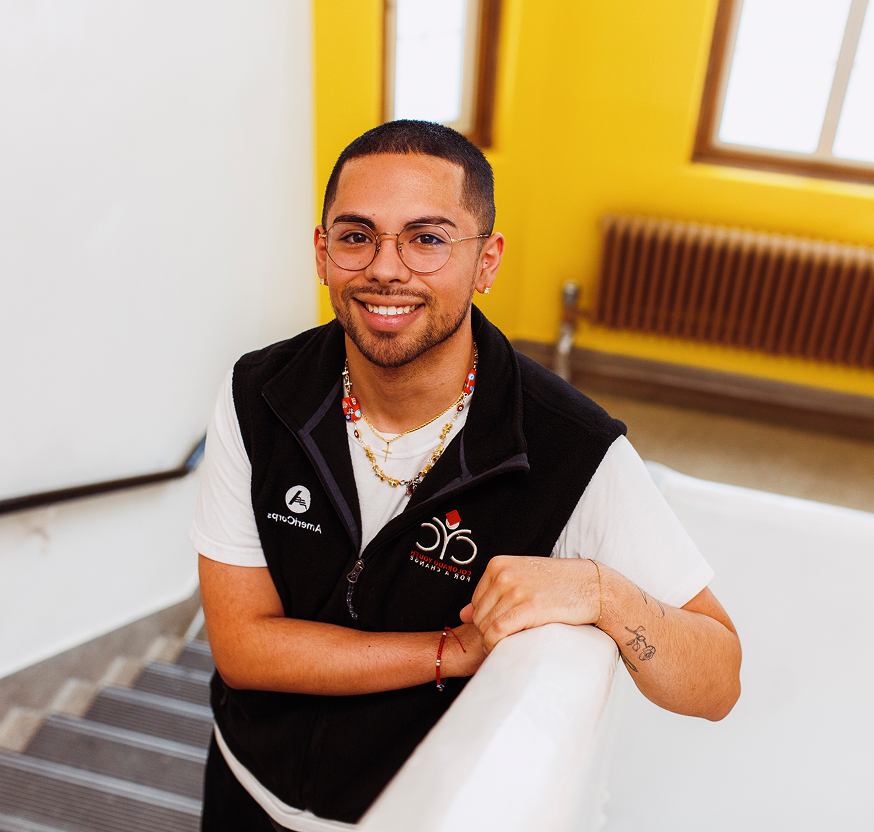
Josiah Sanchez
Colorado Youth Mental Health Corps Fellow


News & Stories
Join the Youth Mental Health Corps
Want to make a difference in youth mental health? Ignite change and start your career as a Youth Mental Health Corps member.
Become a Community or State Partner
Learn more about how to become a partner to bring the Youth Mental Health to your community or to sponsor a state-wide Youth Mental Health Corps.